
Evolving how organizations work, contribute, and collaborate
reRoot works alongside organizations to develop more relational and regenerative ways of working, grounded in their own purpose, strengths, responsibilities, and relationship to place. The aim is to help them realize more of their potential and deepen the value they create for the people and places they serve.
In parallel with Indigenous-led reconciliation, stewardship, and partnership work, reRoot supports non-Indigenous organizations as they evolve their own practice and contribute to more compatible ground for reciprocal and generative collaboration.
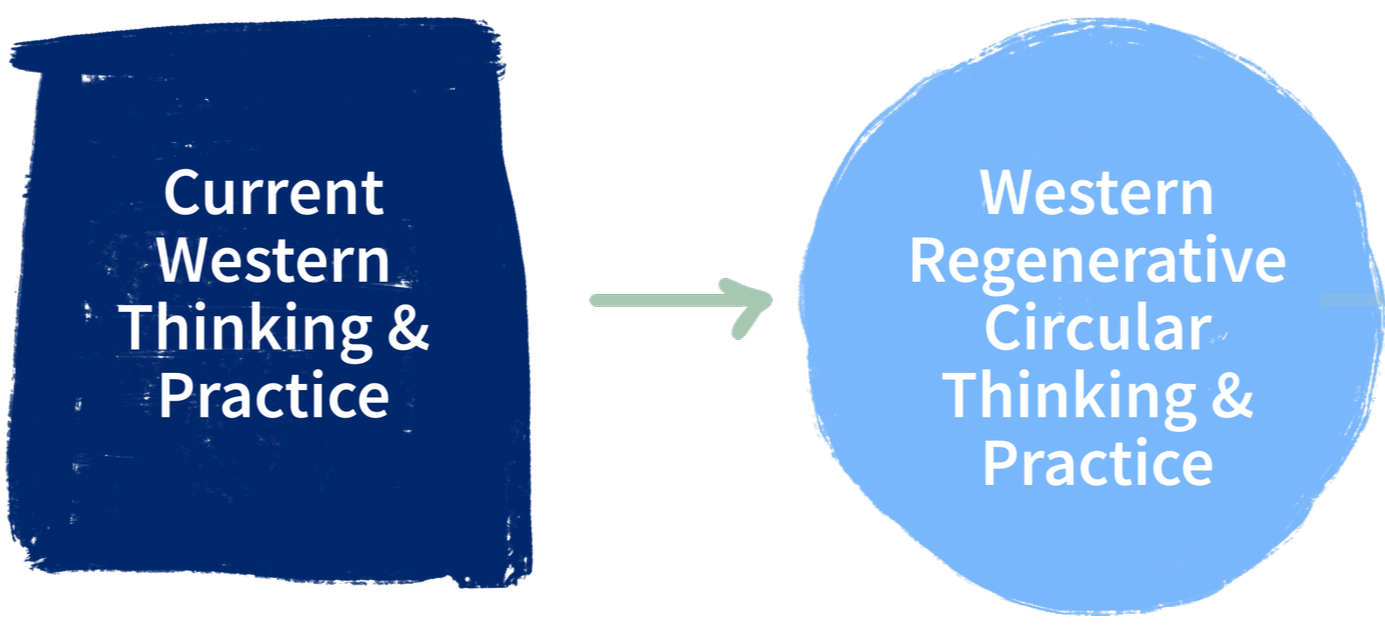
Concept from Johnnie Freeland From Square to Circular Practice
Organizations often inherit square patterns of urgency, control, fragmentation, risk management, narrow technical framing, and procedural action. When these patterns dominate, they can narrow what teams notice and value, constrain judgment and creativity, and limit what becomes possible.
These same patterns can make it harder for organizations to follow through on what they care about. In reconciliation, stewardship, and partnership, Indigenous knowledge and priorities can be layered onto existing systems without those systems themselves changing, leaving Indigenous staff, offices, and partners to repeatedly translate, course-correct, or reorient the work.
Circular, regenerative practice grounds work more deeply in relationship, responsibility, purpose, and place.
reRoot asks: What are we creating from? What are our ways of working creating in and around us?
What We Help Strengthen
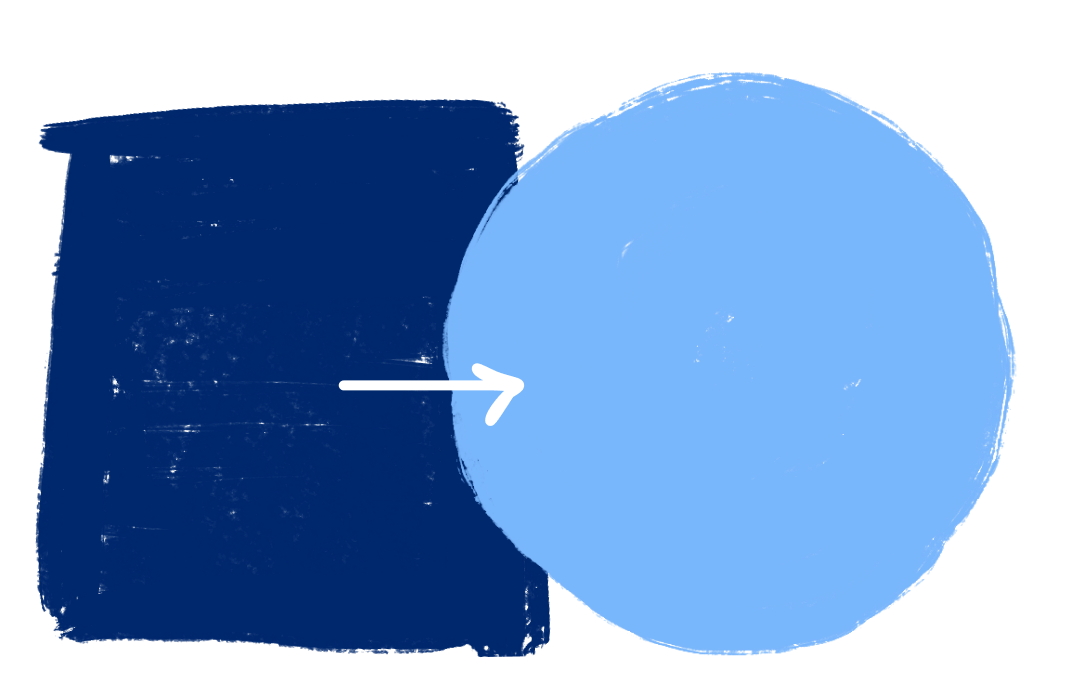
Organizational Vitality & Contribution
More coherent ways of working, greater clarity about what the organization is uniquely positioned to contribute, and deeper impact for the people and places it serves.
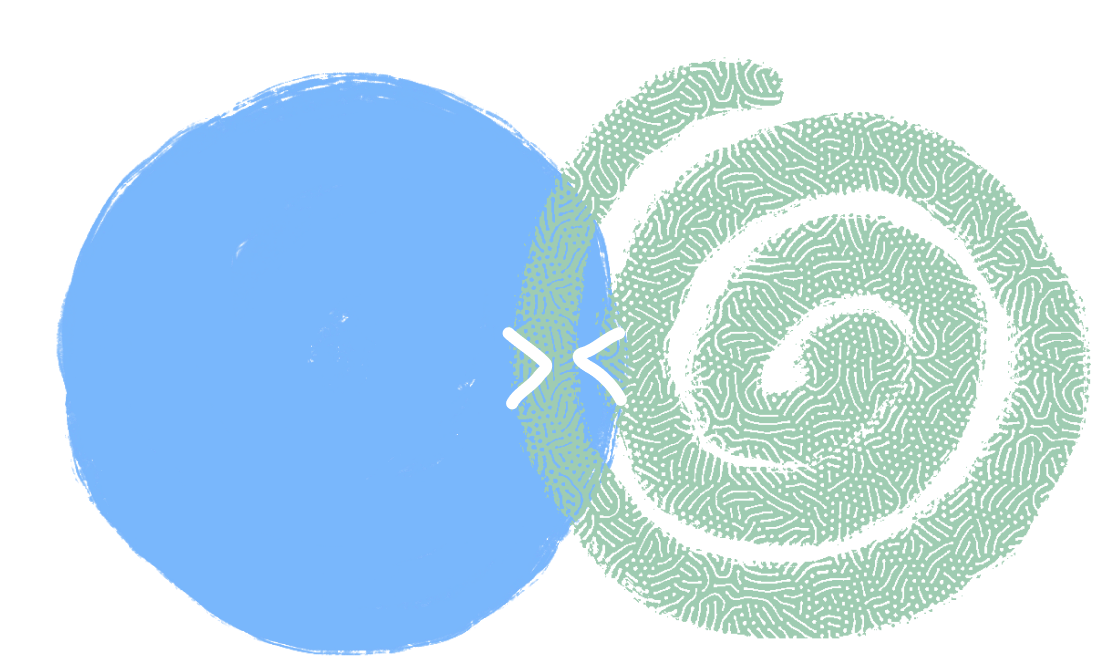
Reciprocal & Generative Collaboration
Organizations develop and carry more of their own relational and regenerative grounding, taking greater responsibility for the orientation and quality of practice they bring into shared work.
Where This Work Takes Shape
reRoot can contribute within an existing team or initiative, alongside another practitioner, or through a specific piece of work. Support can be ongoing or focused, embedded or external, depending on what is most useful.
Organizational Practice & Leadership
Supporting teams, departments, and leaders to evolve the organization’s own ways of working and strengthen what it is capable of contributing.
-
An Indigenous, reconciliation, or partnership office wants parallel developmental support for non-Indigenous teams, so the wider organization develops more of its own relational and regenerative grounding alongside Indigenous-led work.
A team or organization is entering strategic planning, visioning, leadership development, or organizational change and wants the process to deepen how the organization works and what it is capable of contributing.ion text goes here
Projects, Research & Engagement
Contributing framing, research, sensemaking, process design, and practical support within a specific initiative.
-
A planning, research, stewardship, or technical initiative needs support shaping its strategy, process, or implementation in a more relational and place-responsive way.
A non-Indigenous team is participating in an Indigenous-led or cross-cultural project and wants to strengthen the practice and contribution it brings, supporting more grounded and complementary collaboration.
Collaboration & Shared Initiatives
Supporting multi-party initiatives to work across organizational boundaries and orient more coherently around a shared or place-based direction.
-
Organizations in a watershed, stewardship, community, or other shared initiative are working through different mandates, priorities, or structures and want to develop a more coherent and relational way of working together.
A Nation-led or place-based direction depends on multiple non-Indigenous organizations strengthening their own practice and contribution, so the wider field becomes more capable of supporting that direction.
Co-led Partnerships with Indigenous Practitioners
These partnerships bring reRoot’s support for non-Indigenous practice evolution alongside Indigenous-led cultural, relational, governance, and place-based work.
Regenerative Leadership & Relational Practice
Ashley Clark · Kanien’kehá:ka (Mohawk) · Bougie Birch
Relational Stewardship, Land Care & Place‑Based Collaboration
Alexandra Thomas · Kwakwaka’wakw and Coast Salish descent · Nanwakolas Council
Healing, Care & Community Wellbeing Support
Avis O’Brien · Kwakwaka’wakw and Haida · N’alaga Consulting
Organizational Practice & Leadership
Reframing Institutional Reconciliation & Reciprocal Collaboration
Yukon University and UArctic
Supported reconciliation planning and institutional engagement through systems framing, visual sensemaking, research, and coordination.
Selected Work
Project, Research & Engagement
Local Indigenous Knowledge and Values Framework
Living Lakes Canada & Upper Nicola Band
Co-developed a framework to help lake assessment and planning better center local Indigenous knowledge, values, legal traditions, and priorities.
Collaboration & Shared Initiatives
Transboundary Water Collaboration
Shared Waters Alliance & Semiahmoo First Nation
Developed recommendations for Indigenous collaboration, cross-border coordination, and shared responsibility to improve Boundary Bay water quality and support the restoration of shellfish harvesting.

Get In Touch
If you think reRoot could contribute to something you’re working on, feel free to reach out.